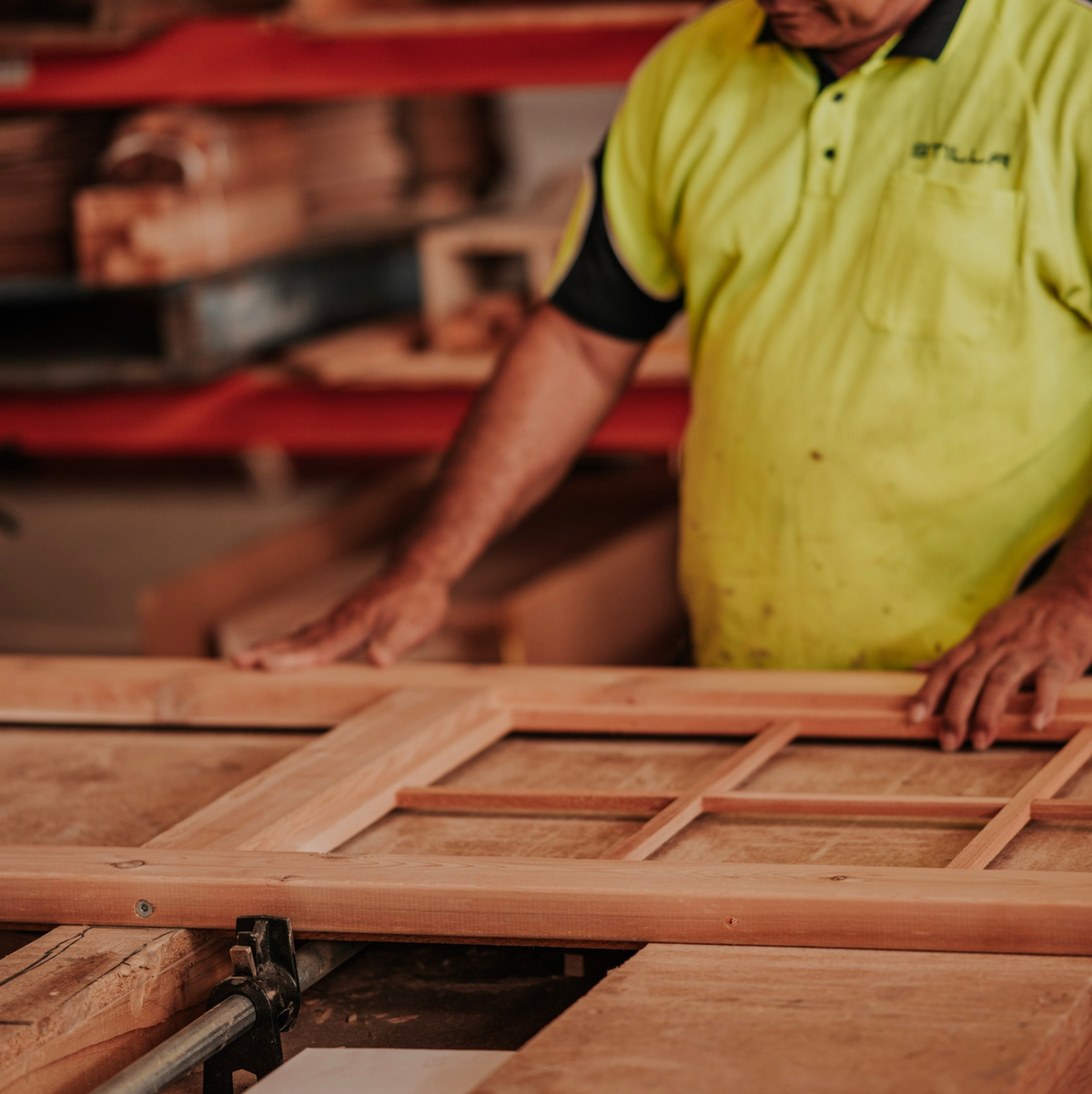
Western Red Cedar is one of the defining features of a STILLA Designer Studio. Known for its natural beauty, durability and warm timber tones, it's an excellent choice for a garden studio that complements your home and outdoor space.
Like any natural timber, cedar changes over time when exposed to the elements. Left uncoated, it gradually develops a soft silver-grey appearance, while painting or staining allows you to preserve its character or create a completely different look.
Whether you love the natural cedar finish or have a particular colour in mind, understanding how to care for and protect your studio will help keep it looking its best for years to come.
Why Western Red Cedar Is Ideal for Garden Studios
Western Red Cedar is naturally durable, lightweight and well suited to outdoor environments. It contains natural compounds that help resist decay and insect attack, making it a popular choice for exterior cladding.
Its distinctive grain and warm colouring give STILLA Designer Studios their timeless appearance, whether you prefer the natural timber look or a painted finish.
Cedar is also a naturally porous material, meaning it responds to changes in temperature and moisture. During wet weather, the timber may absorb a small amount of surface moisture before gradually drying as conditions improve.
This is a normal characteristic of natural timber and one of the reasons why choosing the right exterior coating and maintaining it over time is important.
What Happens If Cedar Is Left Uncoated?
One of the most recognisable characteristics of Western Red Cedar is the way it naturally changes colour over time.
When exposed to sunlight, rain and changing weather conditions, untreated cedar gradually weathers from its original warm timber tones to a soft silver-grey finish.
Some homeowners love this natural, weathered appearance, particularly for garden studios surrounded by native planting, coastal landscapes or established gardens.
While this colour change is largely cosmetic, uncoated cedar is more exposed to surface weathering, moisture fluctuations and staining.
If you'd prefer to maintain the original warmth of the timber or achieve a particular exterior colour, applying a suitable protective coating is recommended.
Why Painting or Coating Cedar Makes a Difference
Painting or staining your STILLA Designer Studio does more than change its appearance.
A suitable exterior coating helps protect the timber against weather exposure while reducing the rate at which moisture is absorbed and released.
There are several benefits to coating your cedar studio:
-
Improved weather protection: Helps reduce surface moisture absorption during wet conditions.
-
A more consistent appearance: Helps minimise uneven weathering and discolouration.
-
Protection against tannin staining: The correct primer helps prevent natural cedar tannins from bleeding through painted finishes.
-
Greater design flexibility: Choose an exterior colour that complements your home, garden and personal style.
-
Easier ongoing maintenance: A properly maintained coating system helps protect the timber over time.
Whether you're drawn to a contemporary dark exterior, soft neutral tones or a classic white finish, cedar provides a beautiful base for personalising your garden studio.

Why Cedar Needs the Right Preparation and Primer
Western Red Cedar contains natural oils and tannins, which can affect how paint performs.
Without the correct preparation and primer, these tannins can bleed through the paint and create yellow or brown staining, particularly when using lighter colours.
That's why choosing a primer specifically suitable for cedar is so important.
Look for a high-quality exterior timber primer designed to block tannins and stains.
For New Zealand customers, suitable coating systems are available through local paint suppliers such as Resene and Dulux New Zealand. Always confirm that your chosen primer is compatible with Western Red Cedar and the topcoat you intend to use.
How to Paint Your Cedar Designer Studio
Painting your STILLA Designer Studio is a great way to personalise its appearance while adding an extra layer of protection.
For the best results, follow these four steps.
1. Make Sure the Cedar Is Dry and Ready to Paint
Before painting, inspect the timber and ensure it is clean and thoroughly dry.
For a newly assembled studio, preparation may be as simple as lightly sanding any rough areas or raised timber fibres and removing dust.
If your cedar has been exposed to the weather for an extended period, additional preparation may be required.
Any dirt, mould, weathered surface fibres or old coating residue should be removed or appropriately treated before priming.
2. Clean the Timber If Necessary
Not every new cedar studio needs washing before painting.
However, if the timber is dirty, has developed mould or has weathered to a grey finish, cleaning may be necessary to create a suitable surface for coating.
Use a gentle cleaning method appropriate for cedar and avoid aggressive high-pressure washing, which can damage the timber surface.
Allow the cedar to dry thoroughly before moving on to the next step.
3. Apply a Suitable Tannin-Blocking Primer
Priming is one of the most important steps when painting Western Red Cedar.
Apply a high-quality oil based primer designed for cedar, following the manufacturer's preparation, application and drying instructions.
For light exterior colours, a stain-blocking primer is particularly important to help prevent tannin bleed.
Pay particular attention to exposed edges and end grain, as these areas can absorb moisture more readily and should be coated carefully.
STILLA painting tip: If you're changing from a dark stain to a lighter paint colour, you may need an additional priming coat to create a consistent base.
For NZ customers, we recommend speaking with your local paint supplier about a cedar-compatible exterior primer with tannin-blocking properties.
4. Apply Two Coats of Exterior Paint
Once the oil based primer has dried, it's time to apply your chosen exterior colour.
Use a high-quality exterior paint system recommended for Western Red Cedar. A suitable exterior acrylic paint is often a practical choice, provided it's compatible with your primer.
For many coating systems, two topcoats are recommended, although additional coats may be needed depending on the product, existing finish and colour.
Always follow the manufacturer's instructions for application, drying times and weather conditions.
STILLA painting tip: Avoid painting in direct, intense sunlight, during rain or when the temperature is outside the coating manufacturer's recommended range.
Can You Stain Cedar Instead of Painting It?
Absolutely!
If you love the natural grain and character of Western Red Cedar, staining may be the perfect alternative to an opaque paint finish.
Exterior timber stains can enhance the natural appearance of cedar while providing protection against weathering.
Clear exterior coatings are another option, although some may require more frequent maintenance, particularly in areas exposed to strong UV light.
If you're staining or applying a clear coat, the preparation and application process may differ from painting.
Always follow the coating manufacturer's recommended system for cedar, including preparation, number of coats and ongoing maintenance.
Maintaining Your Painted Cedar Studio
Once your Designer Studio has been painted or stained correctly, regular maintenance will help keep it looking its best.
Inspect the exterior periodically for signs of peeling, cracking, fading or worn coating, particularly around exposed edges and areas that receive significant sun or rain.
Keep the exterior clean and address any damaged coating promptly to prevent unnecessary weathering.
The frequency of recoating will depend on your location, the coating product and the level of weather exposure.
With appropriate care, Western Red Cedar can remain an attractive and durable exterior material for many years.
Make Your Designer Studio Your Own
One of the best things about a STILLA Designer Studio is the freedom to create an exterior finish that suits your home and garden.
Whether you prefer the natural warmth of cedar, a contemporary charcoal finish, a soft sage green or a timeless neutral, painting or staining allows you to personalise your studio.
For a cohesive look, consider choosing colours that complement your home's exterior, roof, window frames and surrounding landscape.
And with the right preparation and ongoing care, you can protect the natural beauty of the cedar while creating a garden room that looks right at home on your section.
Discover STILLA Designer Studios
Whether you're creating a garden office, art studio, hobby room or multipurpose retreat, a STILLA Designer Studio offers a beautiful and versatile way to make more of your outdoor space.
Crafted from Western Red Cedar and designed to complement a wide range of homes and gardens, our Designer Studios provide the perfect starting point for a space that's entirely your own.